
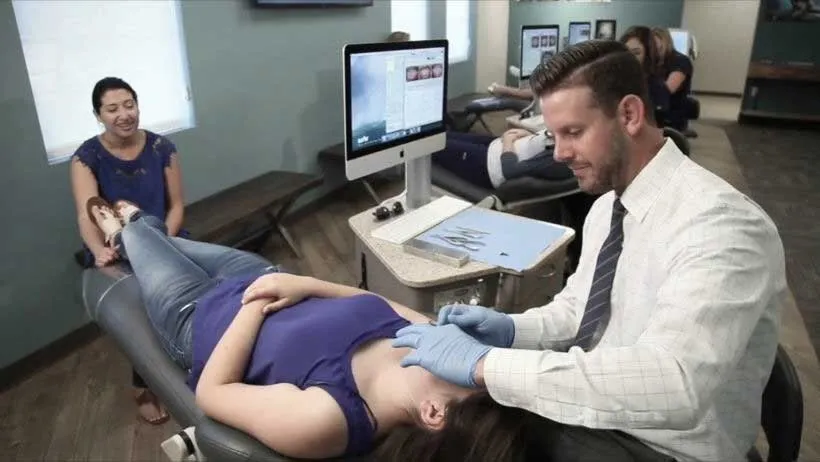
Choosing an orthodontist is one of the most important decisions you’ll make for your smile. A specialist in orthodontics isn’t just a dentist who happens to offer braces. These specialists complete several years of intensive residency training after dental school, focusing exclusively on tooth alignment, bite correction, and jaw development. For families weighing their options, understanding what makes a true specialist different is the first step toward better treatment outcomes.
This added training makes a real difference. While general dentists learn the basics of orthodontics, specialists handle complex cases every single day. They understand the nuances of how teeth move, how jaws grow, and how to create results that last for many years after braces or aligners come off.
Board certification by the American Board of Orthodontics (ABO) signals an even higher level of expertise. ABO-certified specialists have voluntarily demonstrated their clinical skills through rigorous written and clinical examinations, a step that not every practicing orthodontist chooses to take. Knowing whether your provider holds this credential is one of the simplest ways to gauge their commitment to ongoing excellence in the field.
What Is an Orthodontist?
An orthodontist is a dental specialist who completes two to three years of additional residency training after dental school, focusing on tooth alignment, bite correction, and jaw development. Specialists in orthodontics treat malocclusion every day using advanced technology, custom appliances, and biomechanical planning tailored to each patient’s anatomy and goals.
Beyond that core definition, the role of a specialist extends well past placing brackets or handing out aligners. These providers diagnose growth patterns in children, plan multi-phase treatment for developing jaws, and manage complex adult cases that involve worn teeth, missing teeth, or previous dental work. Their practices are typically built around orthodontic care alone, which means the equipment, software, and team training all center on tooth movement. That singular focus often translates into more efficient visits, more predictable timelines, and a smoother experience from your first free consult through your final retainer check.
What Should I Look For When Choosing an Orthodontist?
Finding the right specialist takes some research, but the effort pays off in better results and a smoother experience. The short answer: look for a specialist who completed an accredited orthodontic residency, holds ABO board certification when possible, uses advanced technology like iTero scanners and 3D imaging, offers free consults, and shows a strong smile portfolio of cases similar to yours. Reputation, communication, and clear pricing matter just as much as credentials.
- Verify credentials and training. Look for completion of an accredited orthodontic residency program. Confirm whether the specialist is board-certified by the ABO, which requires passing rigorous written and clinical examinations.
- Consider experience and case volume. Ask how long the practice has been treating patients and how many cases similar to yours they’ve completed. Specialists who focus solely on orthodontics typically see a wider variety of cases.
- Schedule free consults at two or three offices. Most orthodontic practices offer complimentary initial visits. Use these to compare treatment recommendations, office atmosphere, and how comfortable you feel with the team.
- Tour the office and meet the staff. Pay attention to cleanliness, organization, and how the team interacts with patients. A friendly, well-run office makes visits more pleasant throughout your treatment.
- Ask about advanced technology. Look for practices using iTero digital scanners instead of messy impressions, CBCT 3D imaging, and treatment-planning software that lets you preview your projected results before treatment begins.
- Review before-and-after photos. Curious about results? Ask to see cases similar to yours. A strong smile portfolio shows the practice’s ability to achieve the results you’re looking for.
Taking these steps helps you make an informed choice rather than simply picking the closest office or the lowest price.
How Do You Evaluate an Orthodontist?
Evaluating a specialist comes down to credentials, experience, technology, communication, and value. Start by confirming residency training and board certification. Next, weigh case volume, the variety of treatment options offered, and how clearly the team explains your plan. Pricing transparency, payment flexibility, and patient reviews round out the picture. Use free consults to compare a few practices side by side.
Beyond the checklist, pay attention to how a practice answers your questions. Do they walk you through your scans and explain what they see? Do they offer more than one option, and explain the trade-offs of each? A specialist who educates rather than upsells is usually a strong sign that long-term outcomes are the priority.
What Are the Benefits of Choosing the Right Orthodontist?
When you select an experienced, qualified specialist, the advantages reach far beyond a straighter smile. Here’s what the right choice means for families considering treatment.
How Do Specialists Improve Treatment Outcomes?
Specialists understand the biomechanics of tooth movement and can plan treatment that addresses the root cause of alignment issues, not just the visible symptoms. Proper diagnosis and treatment planning also reduce the risk of problems like root resorption, relapse, or bite issues that require retreatment. Fewer surprises. Better results.
What Treatment Options Become Available?
The right specialist offers multiple approaches, including Invisalign, Damon braces, and two-phase treatment for children. They can recommend what works best for your specific situation rather than forcing a one-size-fits-all approach.
Is It Comfortable for the Whole Family?
Parents researching options for their child, teens ready for braces, and adults finally upgrading their smile all benefit from a specialist who fits each patient’s age and needs. That family-focused approach is built into every visit when you choose a practice that treats every age group routinely.
Properly aligned teeth are also easier to clean, reducing your risk of cavities and gum disease. A balanced bite protects against excessive wear and jaw discomfort for decades to come. Confident smiles truly change people’s lives, and choosing the right specialist gives you durable, healthy results that hold up year after year.
What’s the Difference Between an Orthodontist and a General Dentist?
Understanding the distinction between specialists in orthodontics and general dentists helps you make a more informed decision about your care.
| Factor | Orthodontist | General Dentist |
|---|---|---|
| Training | Dental school plus 2-3 year specialty residency | Dental school only |
| Focus | Exclusively tooth alignment and bite correction | Broad range of dental services |
| Case complexity | Handles all cases, including severe malocclusion | May refer complex cases to specialists |
| Technology | Dedicated orthodontic equipment and software | General dental equipment |
| Board certification | ABO certification available | No orthodontic board certification |
General dentists handle your everyday care. They take care of cleanings, fillings, and routine checkups, and some offer clear aligners for mild crowding. However, when teeth need significant movement or when bite issues require correction, a specialist brings deeper expertise.
Specialists invest in advanced technology designed specifically for their field. Digital treatment planning, 3D imaging, and specialized bracket systems allow for more precise, efficient tooth movement. For predictable results, especially in moderate to complex cases, choosing a specialist makes sense.
What Cost Factors Should You Compare Between Offices?
Cost is a key part of your decision. Several factors shape the price, and understanding them helps you evaluate quotes from different practices:
- Case complexity. Mild crowding typically costs less than severe bite correction or jaw development issues. Your specific needs shape the treatment plan and overall investment.
- Type of appliance. Clear aligners, metal braces, ceramic braces, and self-ligating systems like Damon braces each have different price points. The best option depends on your goals and lifestyle.
| Appliance Type | Relative Cost | Best For |
|---|---|---|
| Metal braces | $ | Most cases, all ages |
| Ceramic braces | $ | Aesthetic preference |
| Clear aligners (Invisalign) | $$ | Teens and adults wanting discretion |
| Damon self-ligating | $ | Faster, lower-friction treatment |
The dollar signs above are relative indicators rather than exact pricing. Actual fees vary by case complexity, treatment length, and the appliance system selected, so always confirm specifics during your free consult.
- Treatment length. Longer treatment generally costs more. Some practices include all visits in one fee, while others charge per visit.
- Payment plan flexibility. Look for practices offering low monthly payment options that fit your budget. Many offer in-house financing with little or no interest.
- Insurance acceptance. Confirm whether the practice accepts your dental insurance and how much coverage applies to orthodontic treatment.
- What’s included. Ask whether retainers, follow-up visits, and comfort appointments are part of the quoted fee.
Price matters, but it shouldn’t be the only factor. Look for practices that offer transparent pricing and flexible in-house financing so you can focus on the smile, not the math.
What Questions Should You Ask During Your Free Consult?
Your free consult is the perfect chance to gather information and assess whether a practice feels right for you. Come prepared.
What treatment options are available for my case?
A good specialist presents multiple approaches and explains the pros and cons of each. You should understand why they recommend a particular option for your situation.
How long will treatment take?
Get a realistic timeline and ask what factors might extend or shorten treatment. Understanding the process helps you plan accordingly.
Who will provide my care at each visit?
Some practices have the specialist present at every visit, while others rely heavily on assistants. Know what to expect.
What happens if I have a broken bracket?
Ask about comfort appointment availability and whether they incur extra fees. Things happen during treatment.
Are retainers and follow-up visits included?
Retainers are essential for maintaining your results. Confirm whether they’re part of your treatment fee.
What advanced technology do you use?
Practices that invest in iTero digital scanners, CBCT 3D imaging, and treatment simulation software can offer more accurate diagnostics and let you preview your projected results.
Frequently Asked Questions
Is a board-certified orthodontist worth it?
Absolutely. Board certification by the American Board of Orthodontics shows that a specialist has gone beyond the minimum requirements for practice. ABO-certified specialists have passed rigorous examinations testing their clinical knowledge and skills, which signals a commitment to excellence that often translates to better treatment outcomes for patients of all ages.
How many free consults should I get before deciding?
Most people benefit from visiting two or three practices before making a decision. This lets you compare treatment recommendations, office environments, and overall impressions. You’ll feel more confident knowing you’ve explored your options.
Do orthodontists offer free initial consultations?
Many practices offer complimentary free consults to help prospective patients learn about their options without financial pressure. During this visit, you’ll typically receive an examination, discuss treatment possibilities, and get a cost estimate.
Should I choose based on price or experience?
Experience and qualifications should carry more weight than price alone. A less expensive option that leads to complications or extended treatment ends up costing more in time and frustration. Look for the best value: quality care at a fair price.
What red flags should I watch for?
Several warning signs are worth noting. Be cautious if a practice pressures you to start the same day, refuses to put pricing in writing, or only offers a single appliance without explaining alternatives. Disorganized scheduling, dismissive answers, hard-to-reach front-desk staff, and lack of digital records are also signals to keep looking.
How important is office location and convenience?
Location matters because you’ll visit the office regularly throughout treatment. A convenient location makes it easier to keep visits and reduces stress. Even so, don’t sacrifice quality for convenience. Driving a bit farther for a better specialist is usually worth it when you consider how long results last.
Choosing an orthodontist is a meaningful decision, and taking the time to compare credentials, technology, treatment options, and patient experience helps you feel confident in your selection. Confident smiles truly change people’s lives, and the right specialist can help guide you through a treatment plan that fits your goals, schedule, and budget.